6 products
NATO & Military Jerry Cans
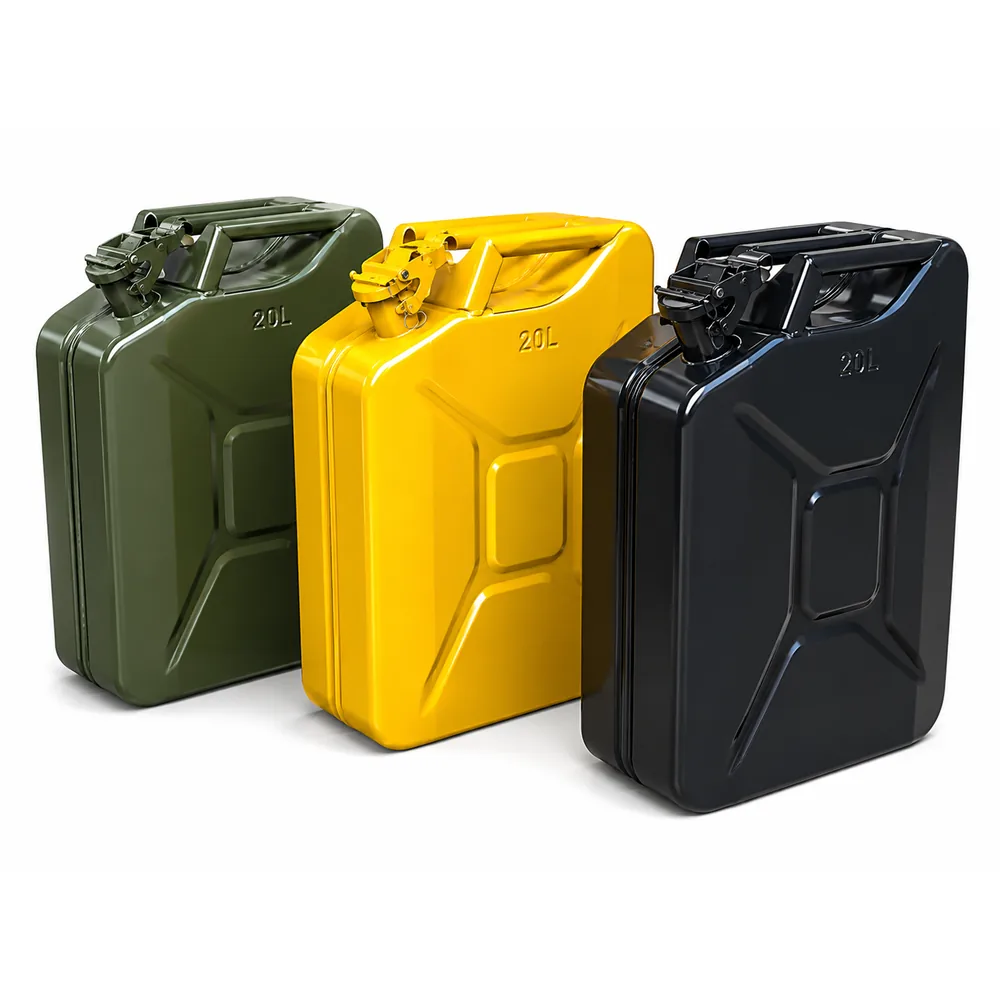
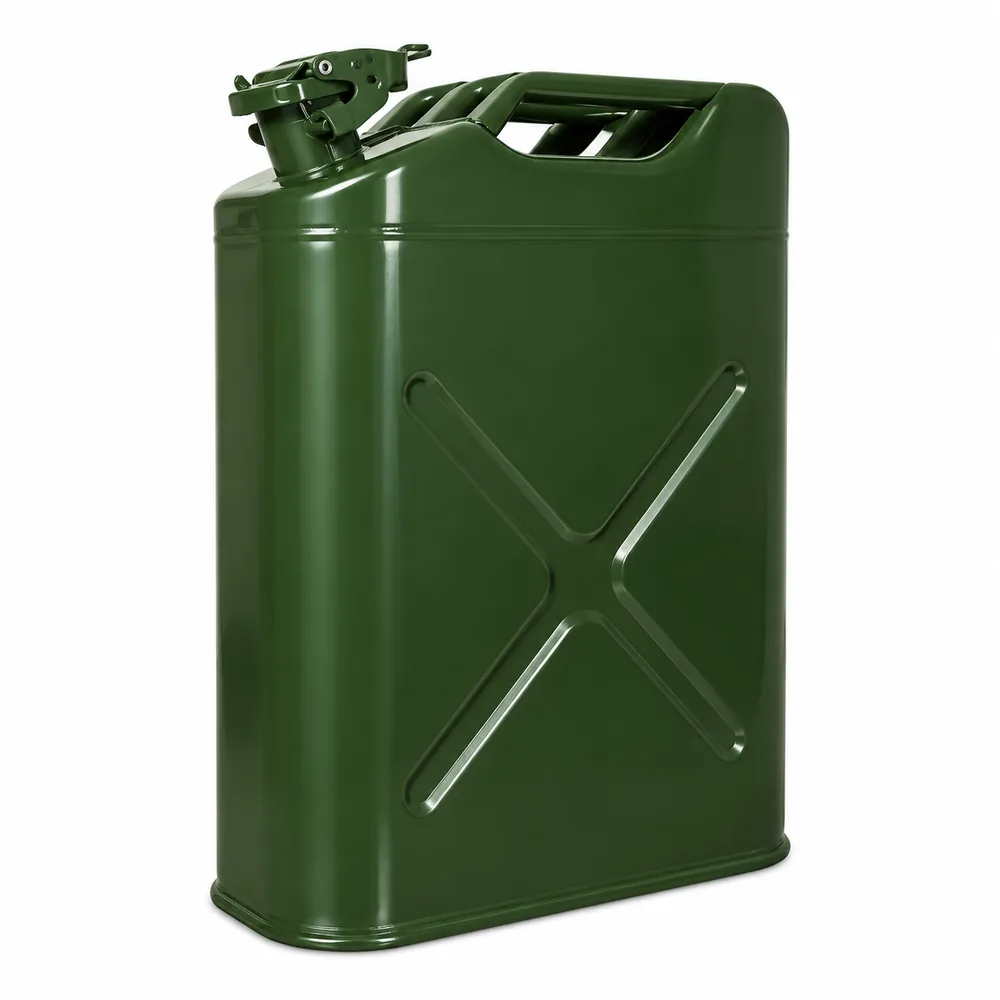
The classic NATO-pattern pressed can. Three handles, stackable profile, and the geometry that fits the carriers, racks and holders already in the field.
Seven categories, 22 products. Food-grade stainless for potable water, coated steel for fuel, aluminium where payload matters, UN-rated HDPE for industry. Dual-sourced from Vietnam and China, specified separately for what goes inside.
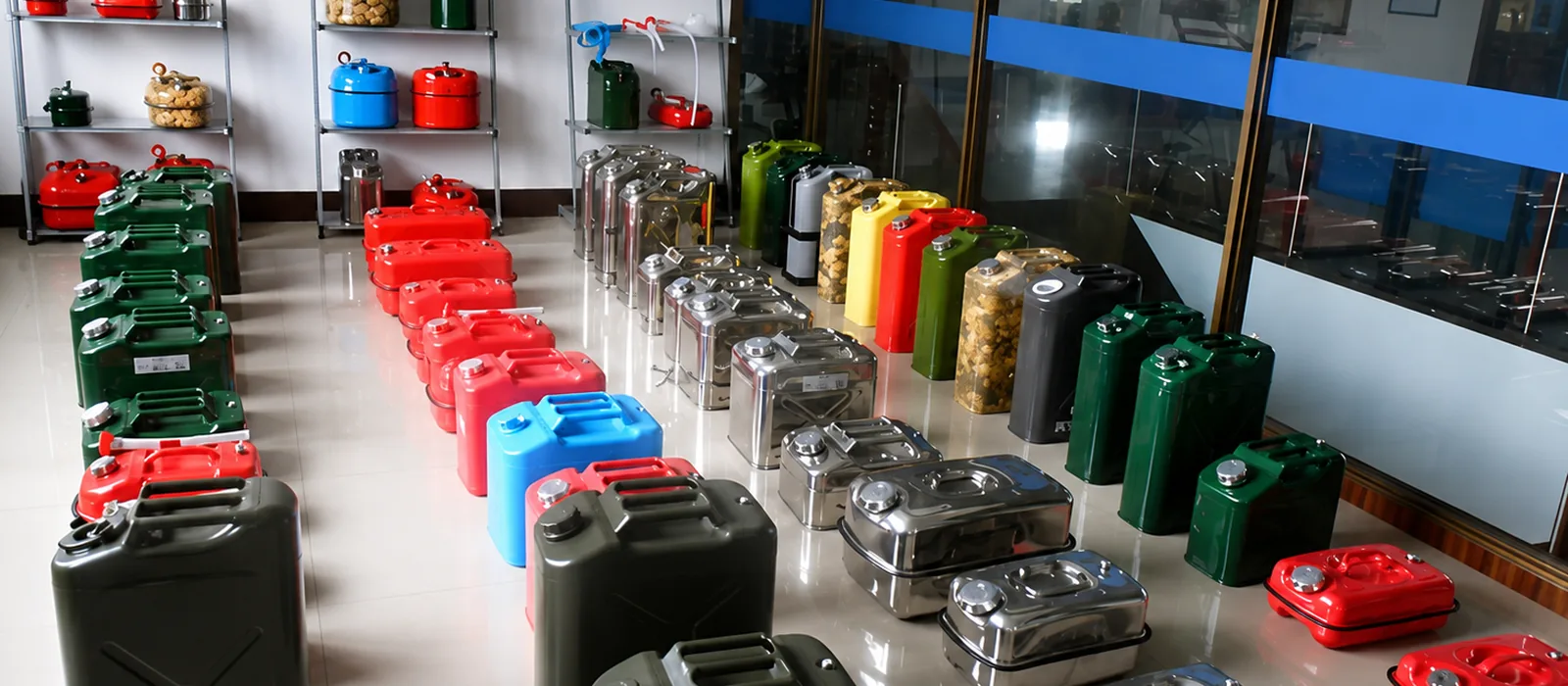
The wrong interior is the most common failure in a cheap jerry can. We group the range by what it carries, not by what it is made of, because that is the question a buyer actually starts with.
The classic NATO-pattern pressed can. Three handles, stackable profile, and the geometry that fits the carriers, racks and holders already in the field.
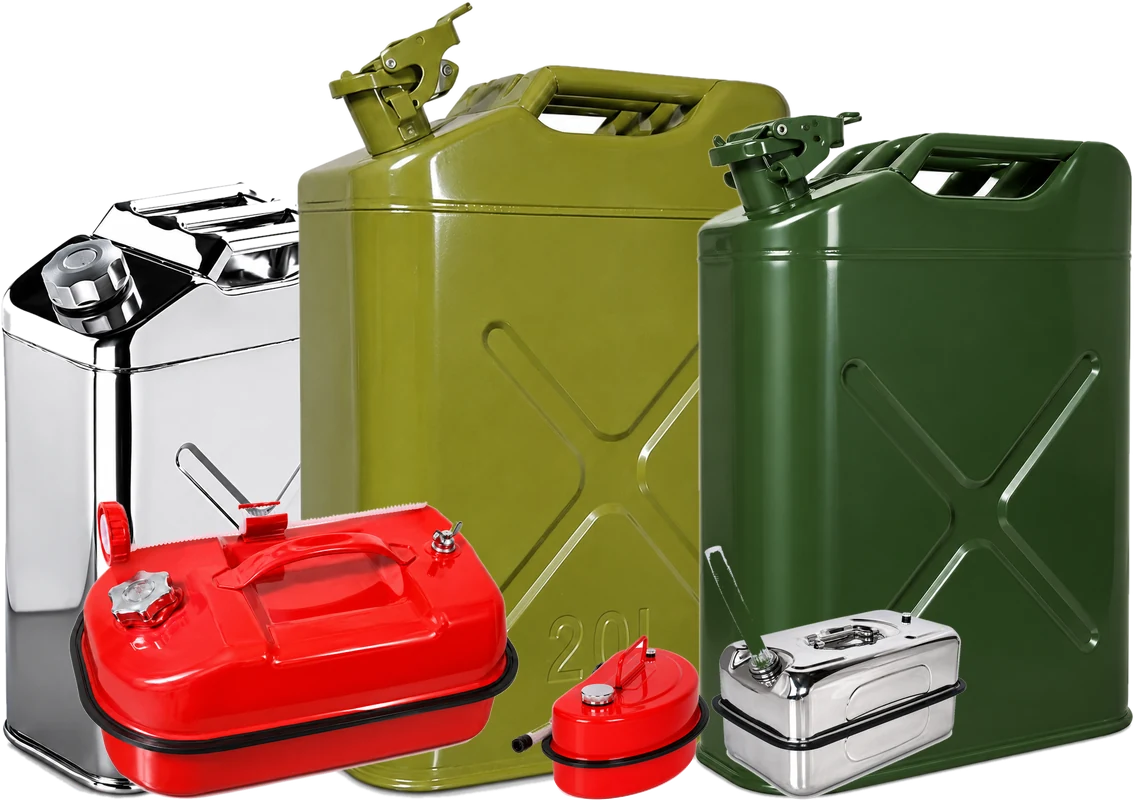
Upright and horizontal steel fuel containers outside the NATO pattern, including tap-fitted tanks, agricultural formats and compact cans.
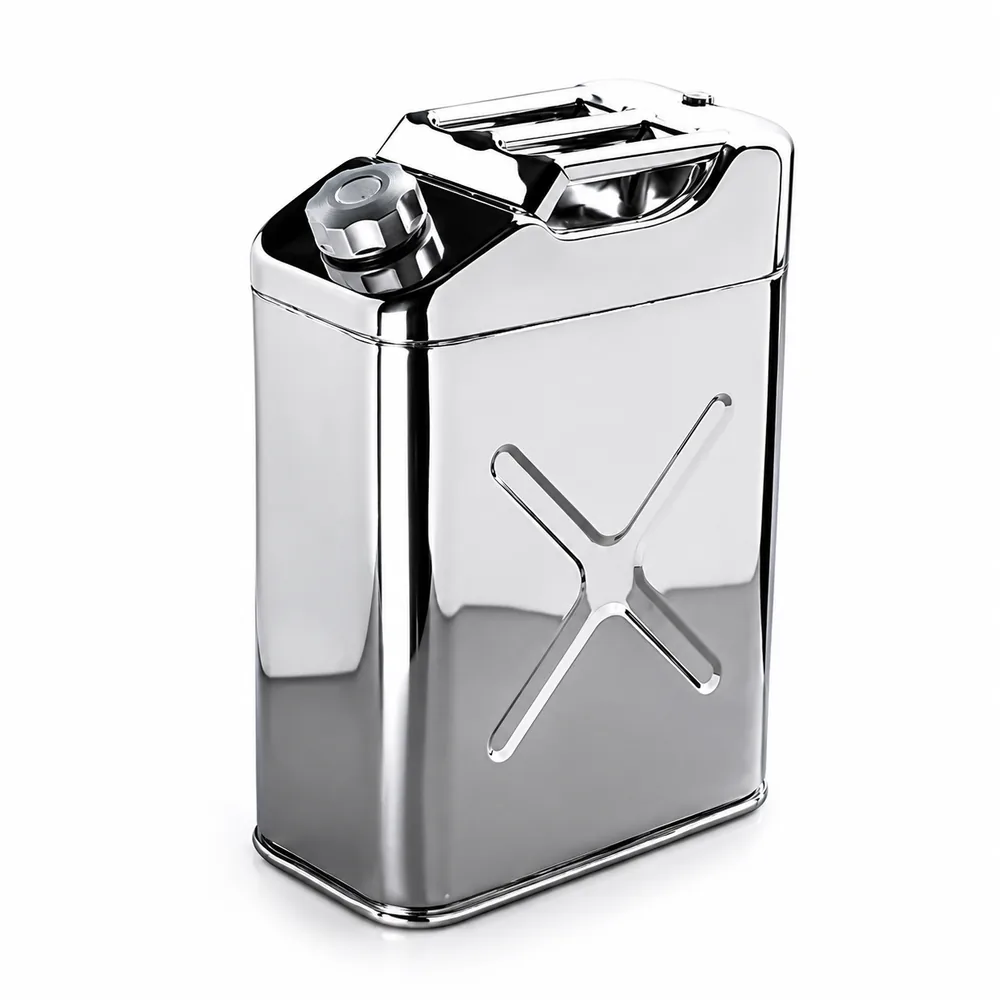
Food-grade stainless steel cans built for potable water from the first drawing, in 5, 10 and 20 litre. No liner, no coating, no taint.
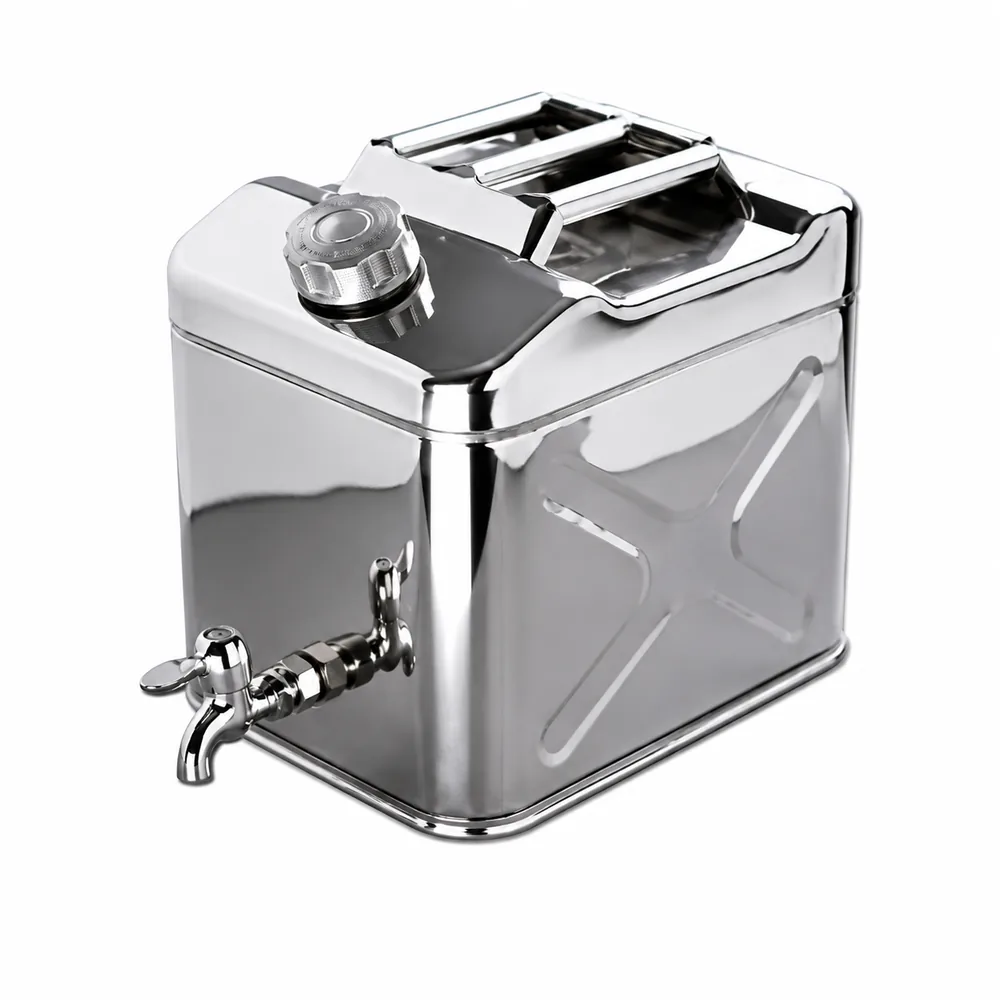
Tap-fitted and upright dispensing cans for lubricants, oils and workshop fluids, where controlled decanting matters more than portability.
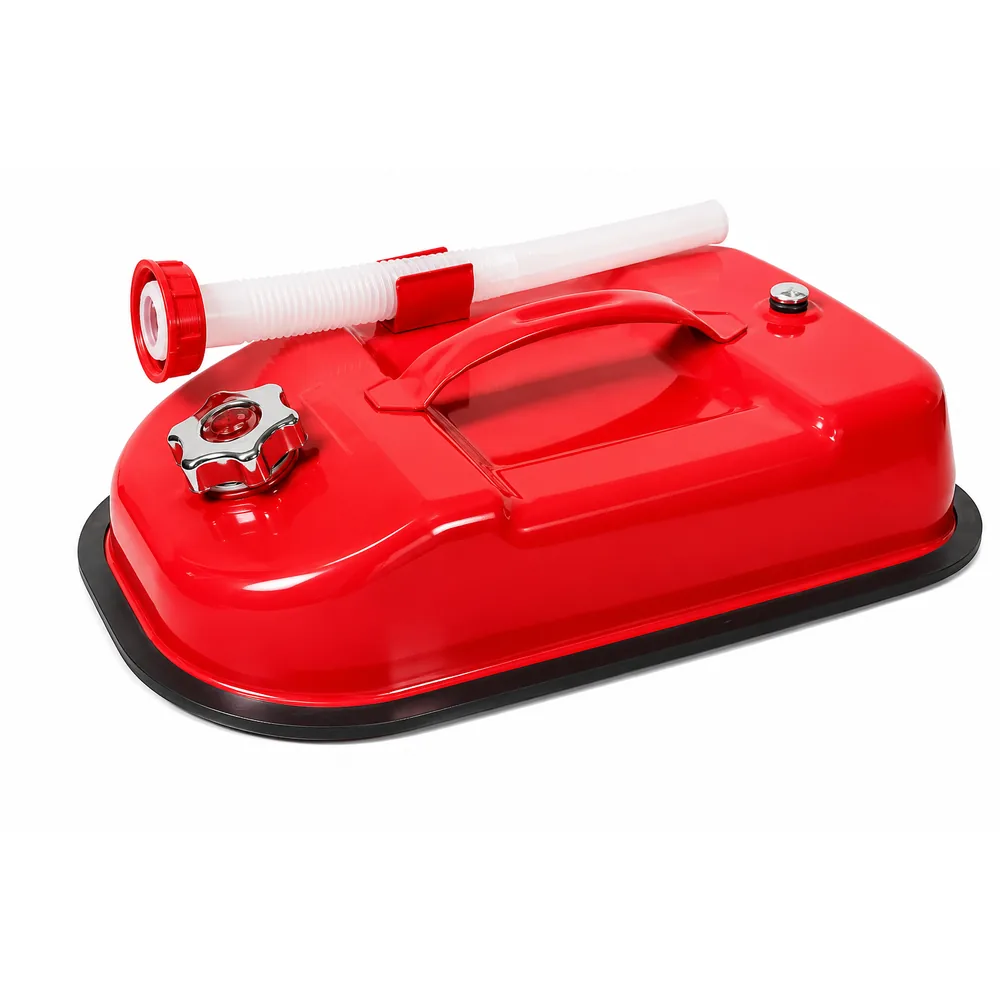
Low-profile horizontal cans in 5, 10 and 20 litre, galvanised or stainless. They slide under a boat seat, into a locker or onto a machine frame where a NATO upright has nowhere to go.
Stackable UN 3H1 HDPE jerrycans and dedicated DEF/AdBlue containers for decanting, distribution and automotive fluids.
Vehicle holders, mounting brackets, straps, pouring spouts, taps and cap variants. The attach rate that lifts basket value.
Food-grade stainless for water, coated steel for hydrocarbons, UN-rated HDPE for industrial liquids. We do not sell one shell and hope.
The NATO-pattern lines share carriers, racks and holders, so a distributor can stock across our range without fragmenting their accessory shelf.
Same gauge, same finish, same dimensions, batch after batch. Reorder in twelve months and receive the identical product your reviews describe.
Our group produces metal containers to military specification. The inspection routines and documentation habits came with us.
Parallel Vietnam and China production bases under one Singapore contract desk. Two routes to capacity, one specification, and an answer when a sourcing policy rules out a single country.
Structured for recurring purchase orders and private-label programmes rather than one-off container runs.
Water and fuel storage sold alongside racks, carriers and recovery gear.
DEF, fuel, oil and fluid handling for workshops, factors and fleet suppliers.
Household and agency stockholding against per-person water planning standards.
UN-rated HDPE for decanting, storage and distribution at pallet volume.
Procurement to a fixed specification with documentation and reorder cycles.
The range carrying your mark, etched or powder coated to your colourway.
Choosing a category, material grades, certification, ordering and freight. If your question is not here, ask us directly and we will answer with a number or a plain "we do not know yet".
We group 22 products into 7 categories by the job the can does: NATO & Military, Fuel & Gas Cans, Water & Food-Grade, Oil & Dispensing, Horizontal & Under-Seat, Industrial & Chemical, Holders & Accessories. Buyers almost always start from what the container will hold and how it will be handled, so that is the axis we sort on rather than material or part number.
Potable water takes the AISI 304 food-grade stainless line. Petrol and diesel take an internally coated steel fuel can, either NATO pattern or upright. Lubricants and workshop fluids take the oil and dispensing line. Industrial and chemical liquids generally take the UN 3H1 rated HDPE jerrycan. DEF takes the dedicated blue-cap can with a misfueling-resistant spout. Tell us the liquid and we will tell you the line.
Yes. The steel fuel lines are compatible with petrol, diesel, kerosene and JP-08, the NATO-standard military jet and ground-equipment fuel. That matters for defence, airfield and aviation ground support buyers, who are usually screened out by consumer-grade cans. Confirm your exact fuel and any contract specification with us before ordering.
No. The interiors are specified differently and neither substitution is safe or permitted. The food-grade stainless line is sold for water only, and the fuel lines are coated for hydrocarbons and sold for fuel only. This is the single most important thing to get right, and it is why we run separate lines rather than one shell.
NATO pattern means the three-handle geometry and external dimensions that fit standard carriers and holders. Our upright and horizontal steel cans sit outside that pattern: simpler tooling, broader colour options and a lower entry price, but they will not seat in a NATO holder. If your customers already own carriers, buy the pattern.
AISI 304 food-grade stainless across the wetted path, in 5, 10 and 20 litre. We do not substitute a lower grade to hit a price point, because the material specification is the entire reason a buyer chooses stainless over plastic.
The NATO steel fuel can is UN-marked. The exact UN code, approval number and the requirements that apply to your destination market must be confirmed before you import, and we will supply the documentation we hold rather than a claim we cannot evidence. Send us your destination and we will be specific.
UN 3H1 relates to rigid plastic jerricans for dangerous goods transport, and approval is specific to contents, packing group and fill weight. A rating does not automatically transfer to your product. Send us what you intend to fill and we will confirm what applies.
The NATO-pattern lines in steel, stainless and aluminium are designed to seat in the common holders, racks and vehicle carriers already in the market, and we tool our own holders to match. The upright, horizontal and HDPE formats are not NATO pattern. If you are matching a specific mounting system, send us the model and we will confirm before you order.
Yes. Holders, mounts, straps, pouring spouts, dispensing taps, vented and non-vented caps and gaskets. Accessories carry a better margin percentage than the can and attach to a large share of sales, so they are worth stocking alongside.
MOQ is confirmed at quotation and varies by category, finish and whether you need private-label marking. Ask us with your target volume and we will give you the real number rather than a brochure figure.
Confirmed at quotation, driven by category, finish, marking and current loading across both production bases. We would rather quote a date we will hit than a short date we will miss.
Yes, on every category. Your mark can be laser etched or embossed in-line rather than applied as a sticker afterwards, and we can powder coat to your colourway. Tooling and artwork remain yours, and we do not resell your programme to a competitor in your market.
Tell us what your business runs on and we will quote to it. Distributors commonly ask for FOB or CIF, and we can discuss DDP for established programmes. Being explicit about Incoterms early matters, because the difference materially changes the landed cost you are comparing against.
Yes, and we would encourage it. These are products people judge by handling. Contact us with your shipping address and the products you want to see.
In parallel Vietnam and China production bases, the same network behind our group’s defence packaging line. Contract management, quality sign-off and export documentation run from Singapore. Running two countries lets us keep supply going if one base is disrupted or fully loaded, and serves buyers whose sourcing policy rules out a single country.
Tell us which category, your market and your volumes. We will come back with a specification sheet and a quotation.