Three pillars carry the product from coil and resin to finished container.
Vietnamese and Chinese factories with metal forming, welding, moulding and finishing capacity already running at volume. Two production bases held to one drawing, so origin can flex without the specification moving.
Pressed steel, AISI 304 stainless, aluminium and HDPE under one contract. You are not managing four suppliers to stock one shelf.
Interior specification, coating and closure chosen for what the can will actually hold, which is where cheap cans fail.
NATO-pattern body forming and seam welding, to a fixed drawing held across production runs and across both countries.
AISI 304 forming with interior finishing appropriate to potable water, with no liner to degrade.
Hydrocarbon-service internal coatings for the fuel lines, specified for the contents rather than applied generically.
The steel fuel lines are compatible with petrol, diesel, kerosene and JP-08 jet fuel, which opens defence, aviation ground support and airfield operations rather than road use alone.
L-ring and DEF container moulding with wall-thickness control for stacking and UN rating.
Olive drab, mill finish, galvanized or powder coated to your specified RAL colour across a retail programme.
Laser etching or embossing applied in-line rather than as a sticker after the fact.
Vented and non-vented screw caps, gasket seating, dispensing taps, pouring and misfueling-resistant spouts.
Packed for distributor shelf or pallet, configured for the freight mode and destination.
One family means rare line changeovers, and rare changeovers mean high specification consistency. The least glamorous quality advantage there is, and the most reliable.
The group has supplied ammunition boxes and metal containers to military standards since 2000, and ships to six continents today. The inspection routines and documentation practices behind that carried straight over to this range.
Fuel and UN-rated industrial lines carry certification regimes that vary by destination. We will tell you what we hold and what we do not, before you order rather than after.
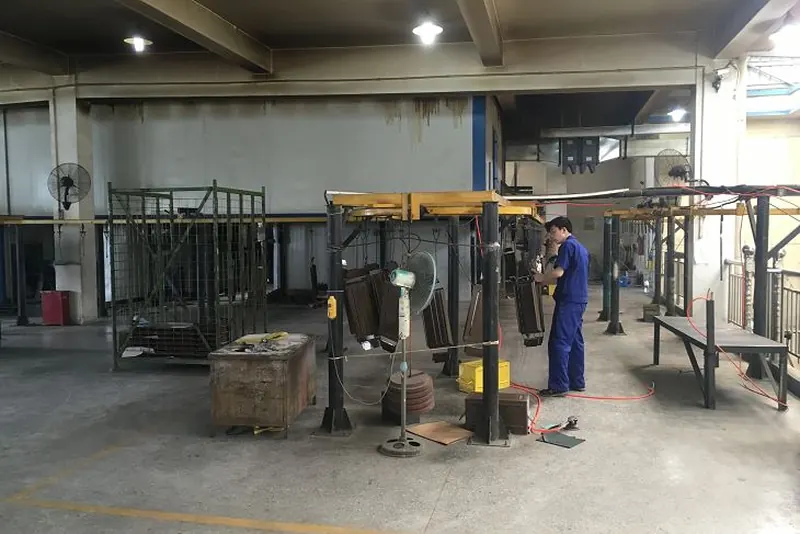
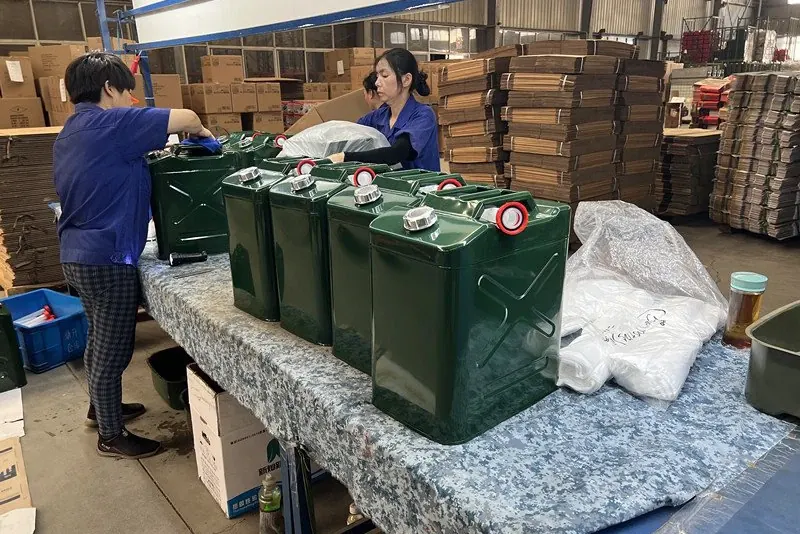
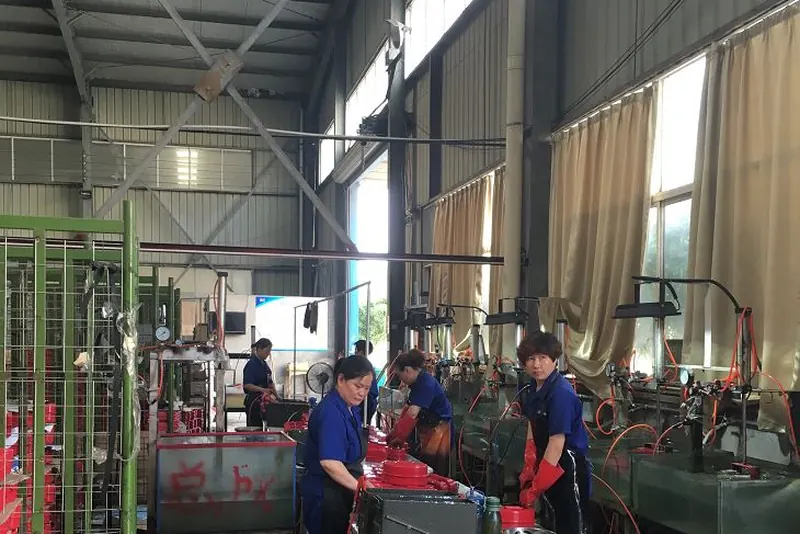
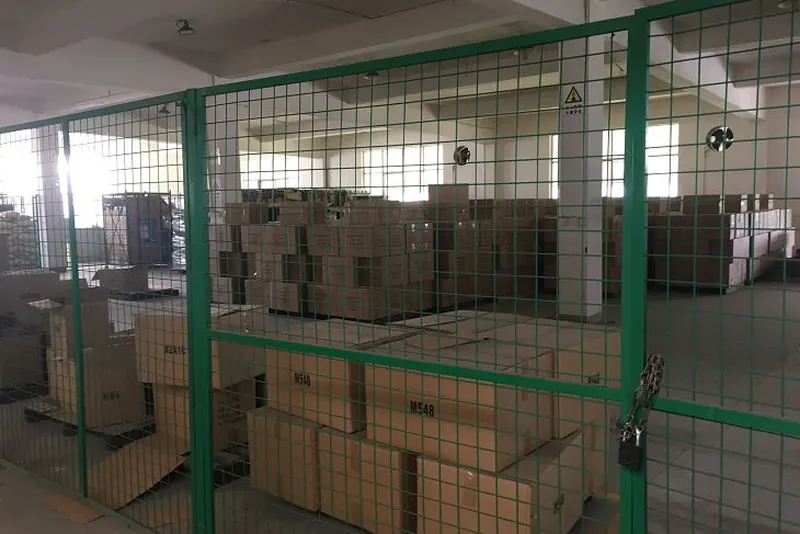
Photographs from our own production bases. This is the sequence your order actually runs through.
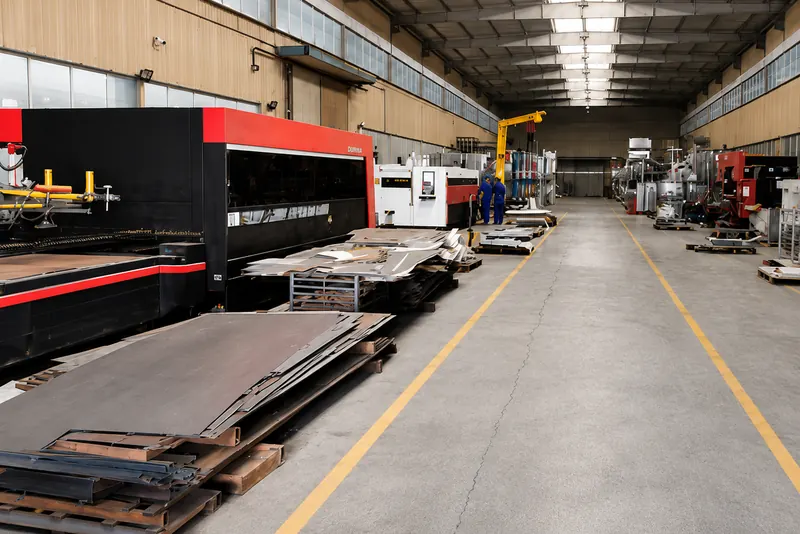
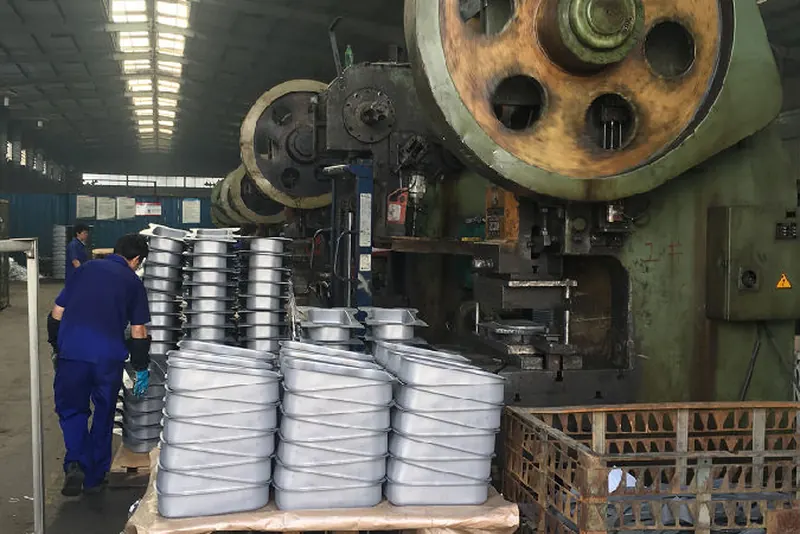
01Coil and sheet stock staged at the press hall. The gauge is set by the specification, not by what is on the floor that week.
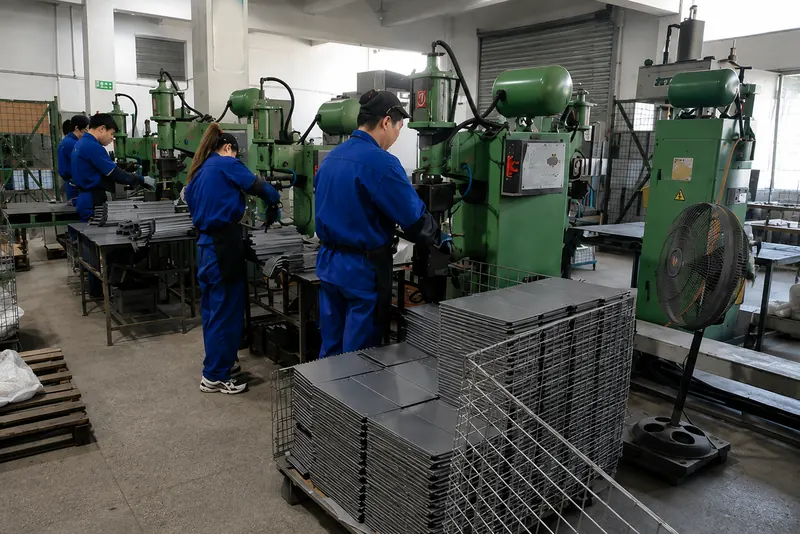
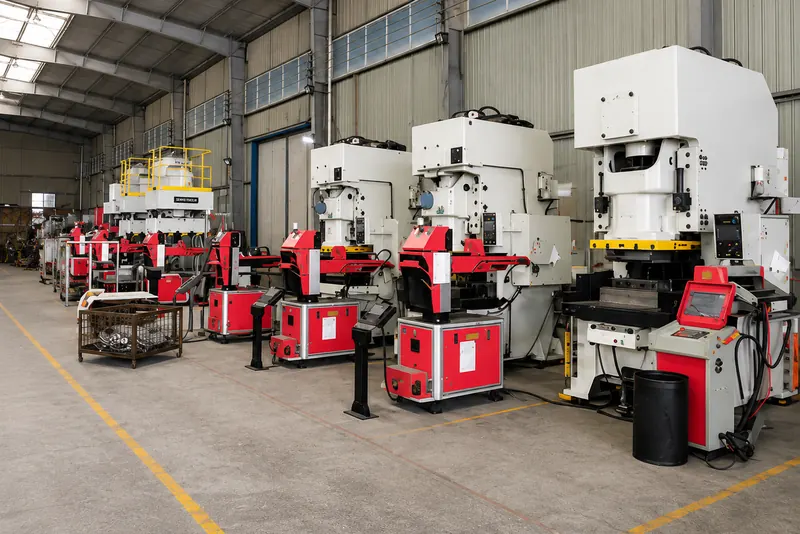
02Half-shells formed on the press line. The embossed X-brace is what gives a thin wall its stiffness.
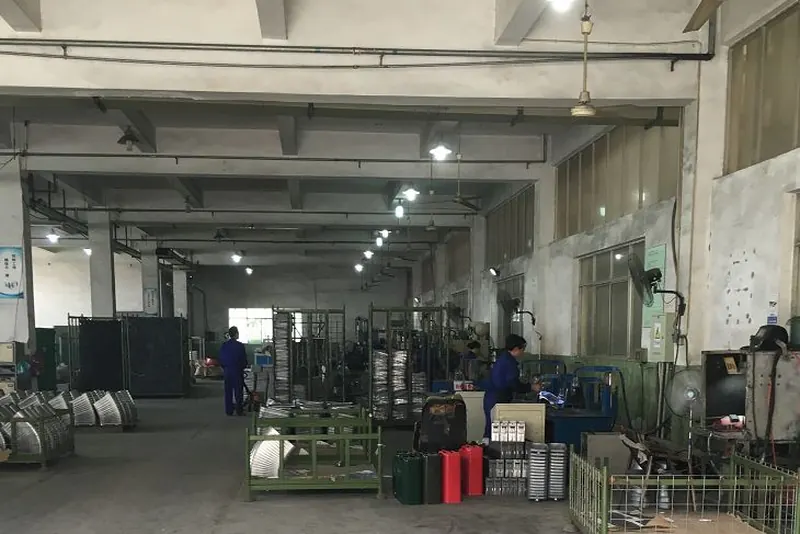
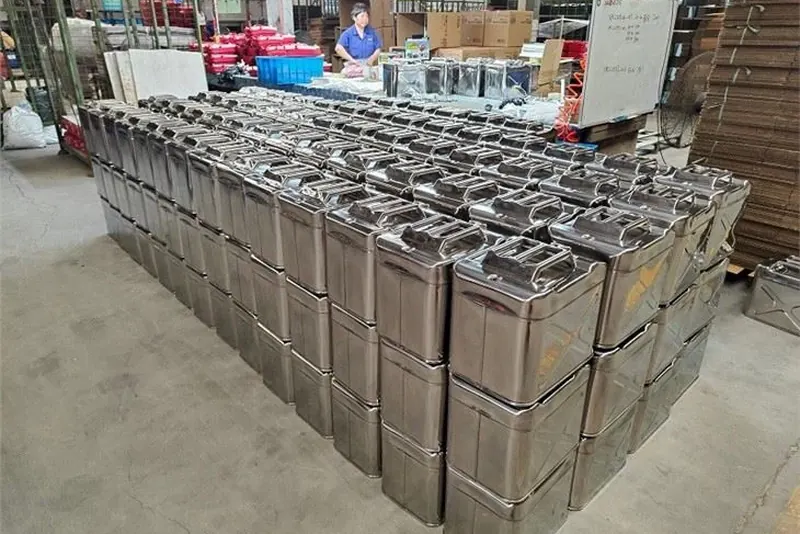
03Shells joined and the seam dressed. This is the joint that a drop test finds first.
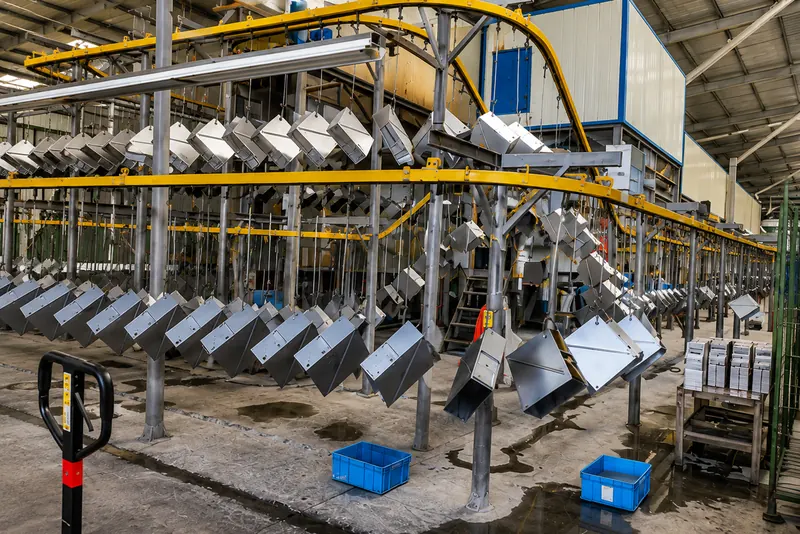
04Bodies on the overhead conveyor. Interior specification is set here, by contents rather than by sticker.
05Colour to your RAL reference, including the blue and olive drab conventions the field already reads.
06Necks, gaskets, caps and cam levers fitted. The gasket is what actually fails on an old can, so it is specified rather than assumed.
07Units tested before they are packed. A leak found here is scrap; a leak found by your customer is a claim.
08Cartoned and staged. Carton quantities and dimensions are what your freight quote is built from.


Send us your volumes, your market and your labelling requirements.